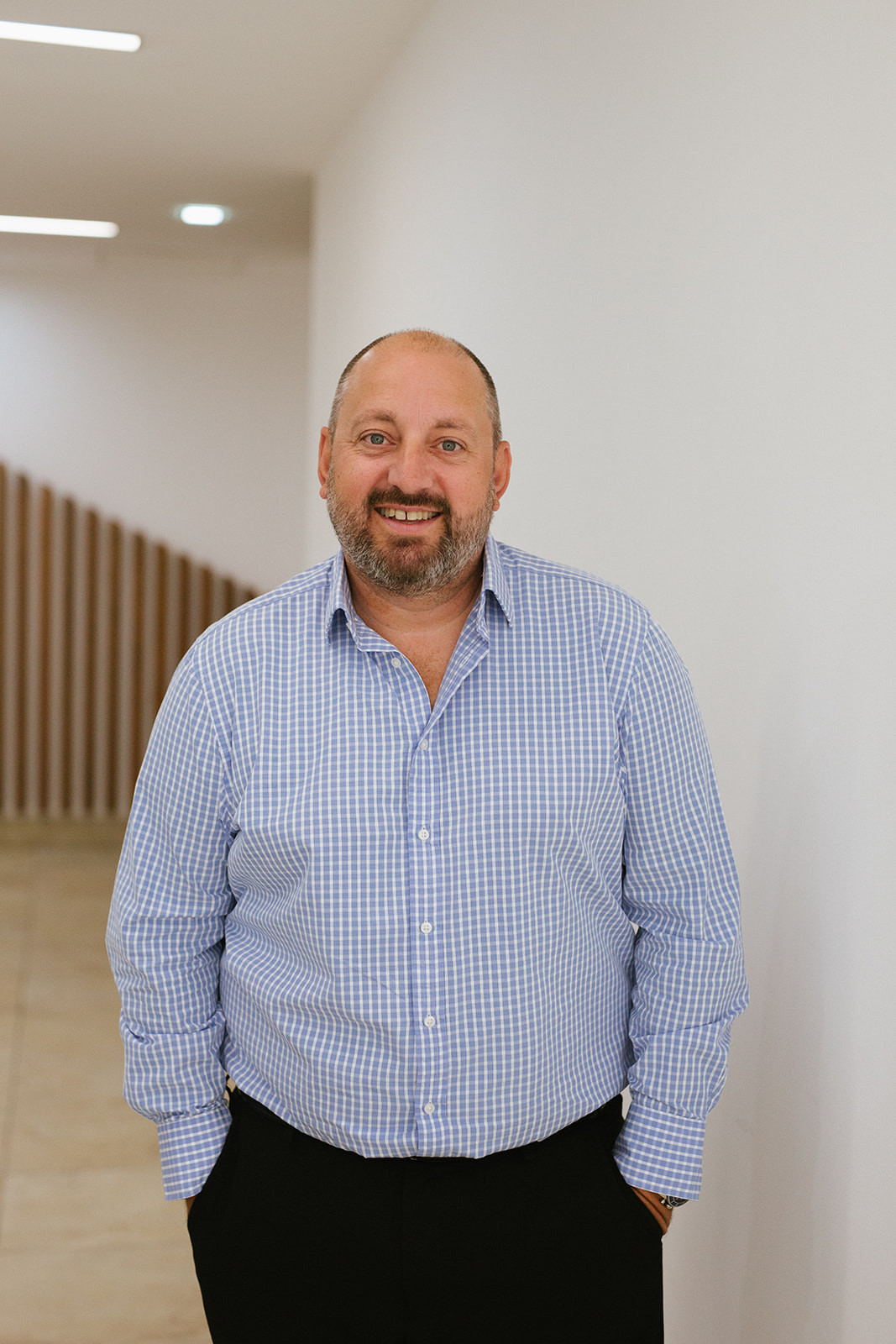
Q. Tell us about your role at your firm. What do you do, and what do you find most interesting about it?
I’m the Commercial Director at Carpenters Group, where I work closely with insurers, brokers and other partners to help shape and grow our insurance and legal services offering. A big part of my role is understanding the challenges our clients face, whether that’s claims costs, customer outcomes, operational efficiency or regulatory pressures, and then bringing together the right people and technology to help solve them.
What I find most interesting is that no two days are ever the same. The market is constantly evolving, and the most rewarding part of the role is identifying opportunities where we can genuinely improve outcomes for both our clients and their customers.
I enjoy the combination of strategy, relationship management and problem solving, particularly when you can see a good idea translate into measurable results.
Q. What are the challenges facing your business right now, and how are you working to overcome them?
Like much of the insurance and legal services sector, we’re operating in an environment where clients are under increasing pressure to reduce costs while still delivering excellent customer outcomes. At the same time, customer expectations continue to rise, regulation is becoming more demanding, and technology is changing the way services are delivered.
We’re addressing those challenges through a strong focus on continuous improvement. That means investing in technology and automation, using data to make better decisions, simplifying processes and ensuring we remain aligned with what matters most to our clients and their customers.
For me, it’s about striking the right balance between efficiency and service quality. Cost reduction is important, but not if it comes at the expense of customer outcomes.
Q. If you could go back to the start of your professional career, knowing what you know now, what piece of advice would you give yourself?
I’d probably tell myself not to worry so much about having all the answers or feeling underqualified.
I started my career as an apprentice panel beater, which is a long way from where I am today. Early in your career, it’s easy to believe that success comes from always having the solution. In reality, success often comes from asking the right questions and surrounding yourself with good people.
The best leaders I’ve worked with have been particularly skilled at bringing people together and creating an environment where individuals can perform at their best.
I’d also remind myself that relationships matter. The insurance market can feel like a huge industry when you’re starting out, but over time you realise it’s actually quite a small world. Building strong relationships and maintaining them throughout your career can open doors and create opportunities you never expected.
Q. What would be your key predictions for the industry in 2026 and beyond?
I believe the industry will continue to face a balancing act between affordability, customer outcomes and profitability.
We’ve already seen claims frequencies reduce compared with pre-pandemic levels, largely driven by safer vehicles, advances in technology and changing customer behaviour. However, claims costs remain under pressure, meaning insurers will continue to focus on controlling indemnity spend and extracting greater value from every stage of the claims journey.
I also believe automation and AI will become increasingly important. However, the real winners won’t simply be those using technology to reduce costs. They’ll be the organisations that use it to make better decisions, remove friction from the customer journey and identify opportunities much earlier in the claim’s lifecycle.
Finally, I expect insurers to place even greater emphasis on strategic partnerships. The market is moving away from transactional supplier relationships towards a smaller number of trusted partners that can demonstrate expertise, innovation, strong customer outcomes and a genuine commitment to continuous improvement. In a competitive market, collaboration and shared objectives will become increasingly important differentiators.
Q. What made you want to work in this sector?
To be honest, it wasn’t a sector I intentionally set out to join. Like many people in insurance, I found myself in the industry almost by accident, pun intended.
As I mentioned earlier, I was a panel beater by trade and worked my way up to become a Bodyshop Controller at a large Vauxhall dealership. I then moved into the insurance sector as a motor engineer with a UK insurer. With the support of some great mentors, I made a point of learning as much as I could about different areas of the business, which led to a variety of roles across both motor and home insurance claims.
That variety is what has kept me in the industry.
Insurance touches almost every aspect of life and every type of business. You’re constantly dealing with different challenges, different customers and different market dynamics. It’s an industry that’s often underestimated, but it has significant impact on people’s lives when they need support most.
I’ve also been fortunate to work alongside some outstanding people throughout my career, and that has played a significant role in keeping me engaged and motivated.
Q. What has been your most significant or proudest achievement in your current role, or previous roles, so far?
I’m not someone who tends to focus on individual achievements because most successes are delivered by teams rather than individuals.
That said, I’m proud of the role I’ve played in helping to strengthen and grow relationships with many of our insurer and broker partners over the last decade. Seeing those partnerships develop from initial conversations into long-term strategic relationships that deliver value for both organisations is incredibly rewarding.
More broadly, I’m proud of having worked across a variety of leadership roles throughout my career, from operational and supply chain positions through to commercial leadership. Each role has given me a different perspective on what makes businesses successful, and those experiences continue to shape how I approach challenges today.
Closing Thought
“At the heart of everything we do is helping clients solve problems and deliver better outcomes for their customers. Technology, processes and commercial models all play an important role, but strong relationships and a genuine commitment to partnership are what ultimately drive long-term success.”